HaitiEcoVIllageSchool

Why I Give to the Haiti EcoVillage School

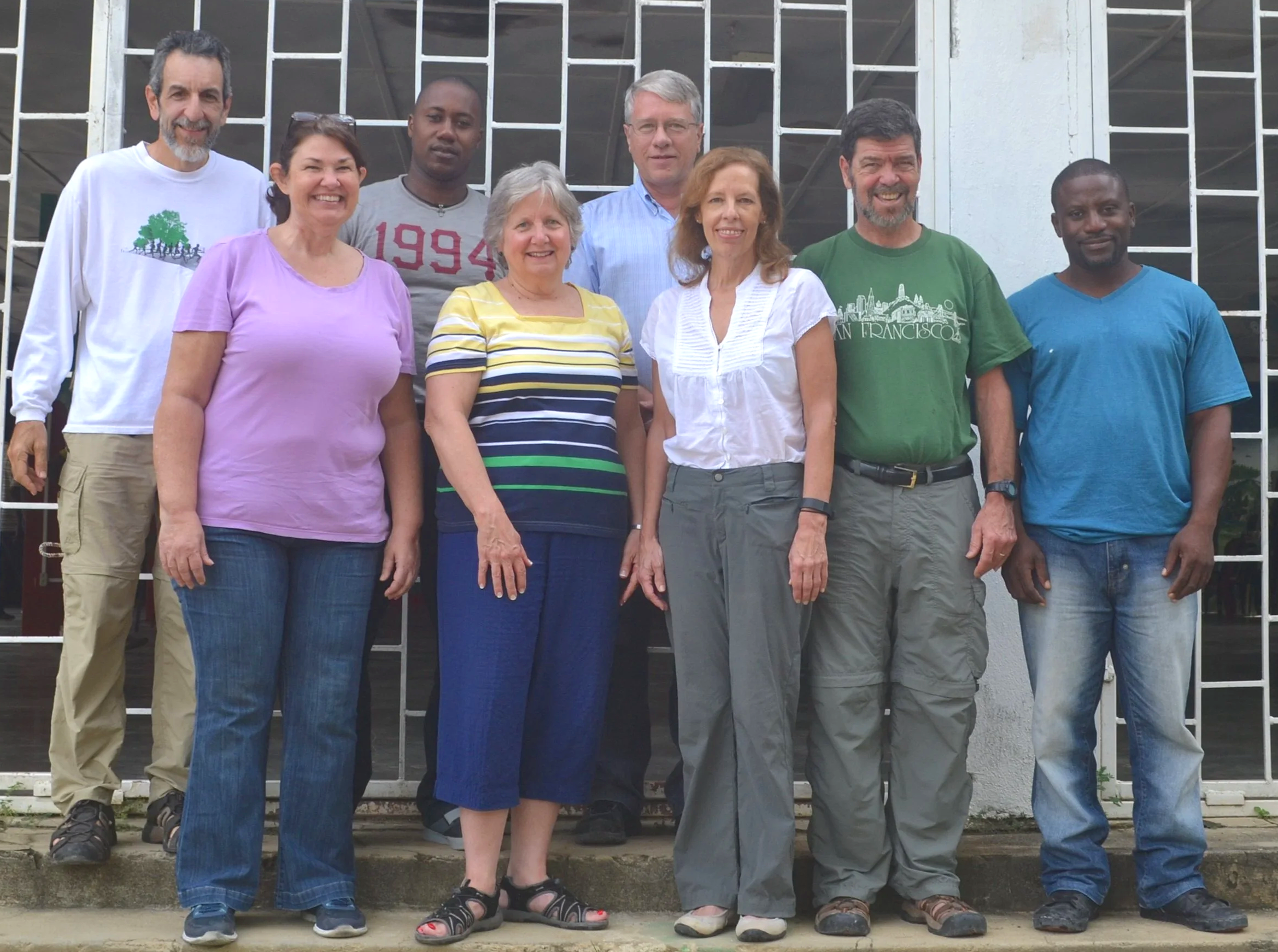
Ginger Stapley's mission team from Good Shepherd Presbyterian Church visiting the Haiti EcoVillage School in 2015

My travel group from Atlanta to Haiti in 2015. I am front row, second from the left.

When I first learned about the Haiti EcoVillage School, I never imagined it would become a mission so close to my heart.

In 2013, Gordon French came to speak with the Good Shepherd Presbyterian Mission Team about the EcoVillages. I admit I had reservations about Haiti, but I was fascinated by the vision of the villages and the determination of the people who were building a new future after the earthquake in 2010.

Several members of our mission team began attending planning meetings with other area churches. The villagers had communicated to the church groups that their greatest desire was to have a school for their children. Since so many in our congregation were educators, it seemed exactly the right way for us to serve.

In 2015, I had the privilege of traveling to Haiti to see the school project firsthand. We visited a village, met with our Haitian partner (MPP), and saw how families were learning to build new lives.  The school had only four classrooms, with third- and fourth-grade students sharing one room. Yet despite having so few resources, the teachers inspired me. They were giving these children hope for a better future. It was my first visit to a third-world country, and I came home with an overwhelming sense of gratitude for the blessings I have simply because of where I was born.

We had brought a few school supplies and soccer balls. Standing there, our gifts seemed so small compared to the tremendous need. But the teachers and principal received them with genuine joy, and before long the soccer balls were being used during recess. That moment reminded me that even modest gifts can make a meaningful difference.

The Haiti EcoVillage School now serves students from kindergarten through ninth grade. It includes a kitchen and cafeteria where every child receives lunch during the school year.  Many times, this is their only source of nutrition for the day. Thanks to the partnership between the villagers, MPP, and faithful supporters, hundreds of children now have opportunities that simply did not exist before.

Over the years I have watched our relationship with MPP grow stronger. They have remained one of the few dependable organizations continuing to serve the Haitian people despite extraordinary challenges. Across Haiti, many schools have been forced to close because teachers are no longer being paid. Yet the EcoVillage School continues to thrive. The school remains open, teachers receive salaries, students keep learning, and hope remains alive.

When I think about everything I have witnessed, from four crowded classrooms to a thriving K-9 school, I know my support truly matters. I give because I have seen what faithful people can accomplish together. I give because education changes lives. And I give because every child deserves the opportunity to learn, dream, and build a better future.

By Ginger Stapley, Good Shepherd Presbyterian Church

August 2026

Haiti EcoVillage School Update: Partnership Reorganizes

Students depend on Partnership support

Mission: provide primary education to the children of the EcoVillages and surrounding area.

This mission began 12 years ago as a 5-year project with these goals:

1st Goal:        Build the school. Accomplished.  

2nd Goal:       Achieve accreditation from the Haitian Ministry of Education. Accomplished.

3rd Goal:        As an accredited school, receive permanent funding from the Haitian government as dictated by the Haitian Constitution. Not Accomplished.  Why? The government has disintegrated. It has no funds for schools. Without funds, most schools in Haiti have closed or teachers work without pay.  

Our Partnership voted to keep our EcoVillage School open until the government accepts responsibility or until other means of financial support are realized. The mission is no longer a short-term project. We have evolved from a task force to a newly formed board of directors with by-laws, governance and a vision for the future.

 “This is a noble cause. For many of my fellow Haitians, ‘the Atlanta people’ are God sent, their only hope for an education, therefore a future, for their kids. This is God’s work.” Claude Henry Pierre, Board Member

Much about our organization remains the same. We depend on a strong connection to the three founding churches. The Flavors of Haiti fund-raisers will continue to provide social gatherings of supporters and resources for our school. Our relationship with our partners in Haiti continues to grow and flourish. Members of the new Board of Directors formed the organization 12 years ago and remain firmly committed to the success of the mission.

“My board service is gratifying because I have the opportunity to develop friendships with extraordinary people. Together, we are involved in an important cause that challenges our intelligence, creativity and perseverance to offer a beam of light in the midst of such dark times in Haiti.” Susan Constantine, Board Member

Moving forward, we will seek support from new sources, such as corporations and foundations. We will communicate more consistently with our supporters. We will develop opportunities for people to contribute their talents.  Members of the board serve one-year terms and openings for new board members will soon arise. If you are interested, please contact any current member to learn more about board membership and why it is such a rewarding experience.

Current board members are: Allison Bay, Ph.D, Secretary; Marie Blot; Chris Calia, Co-Chair; Jeanine Calia; Susan Constantine; Linda Curry, Treasurer; Becky Evans; Carolyn French; Gordon French, Co-Chair; Kristy Gordon, Ph.D; Scott Grosse, Ph.D; Kathryn Hornsby; Catherine Marin, Ph.D; J. Patrick Murphy; Deedee Murphy; Mike Nichols, Ph.D; Claude Henry Pierre; Ginger Stapley.

The Haiti Ecovillage School Seeks Justice by Educating the Children of Haiti

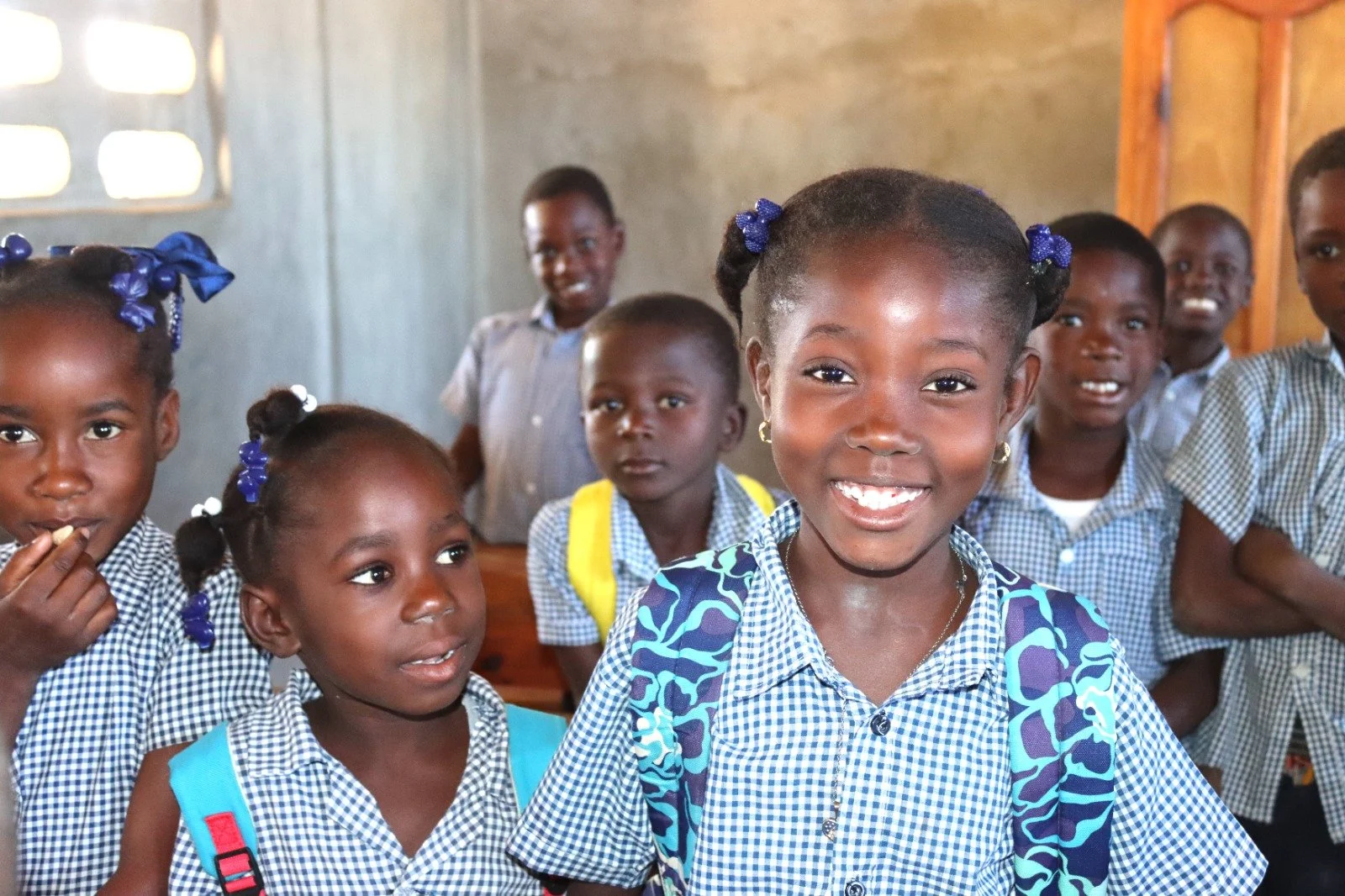
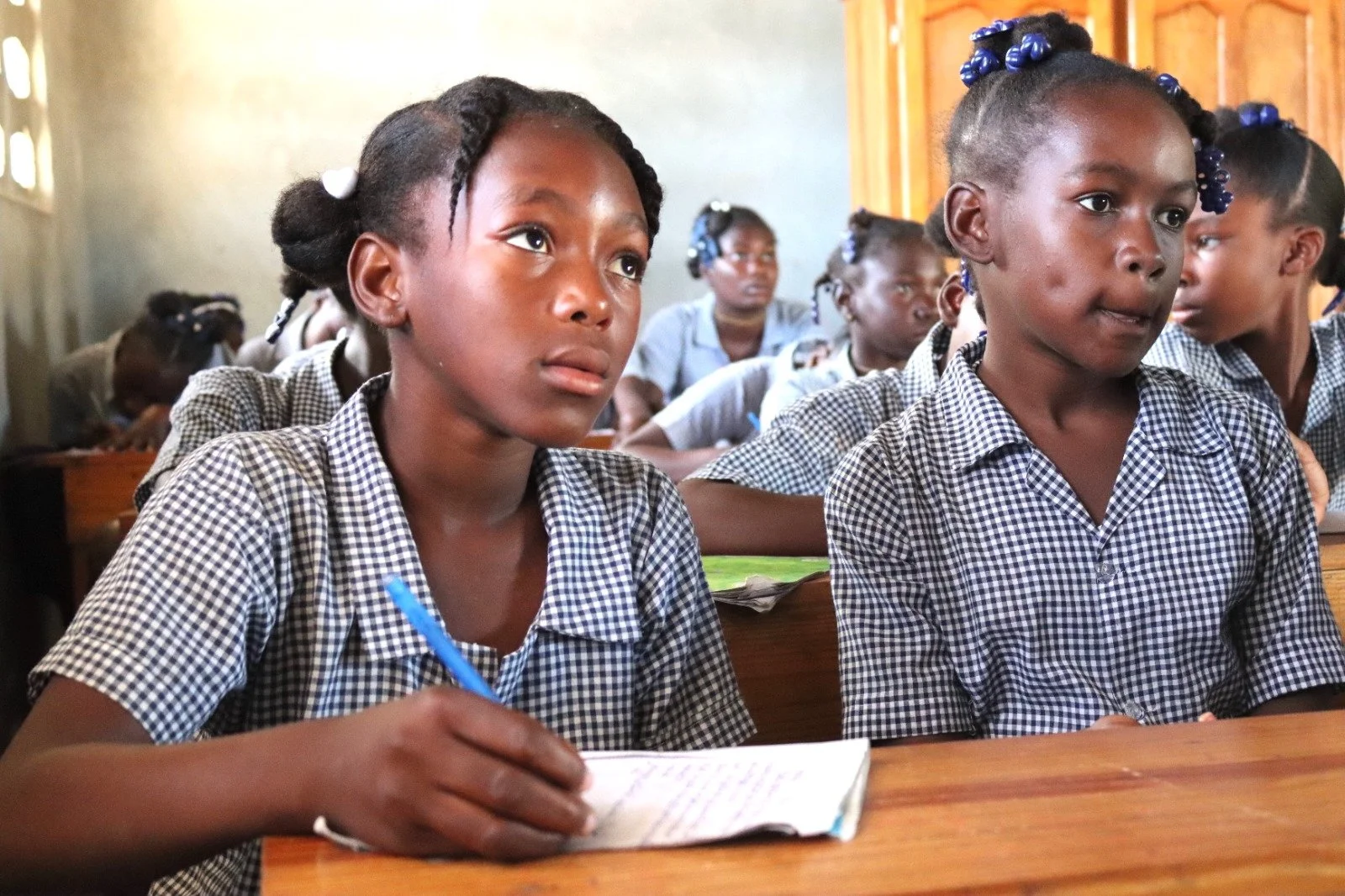
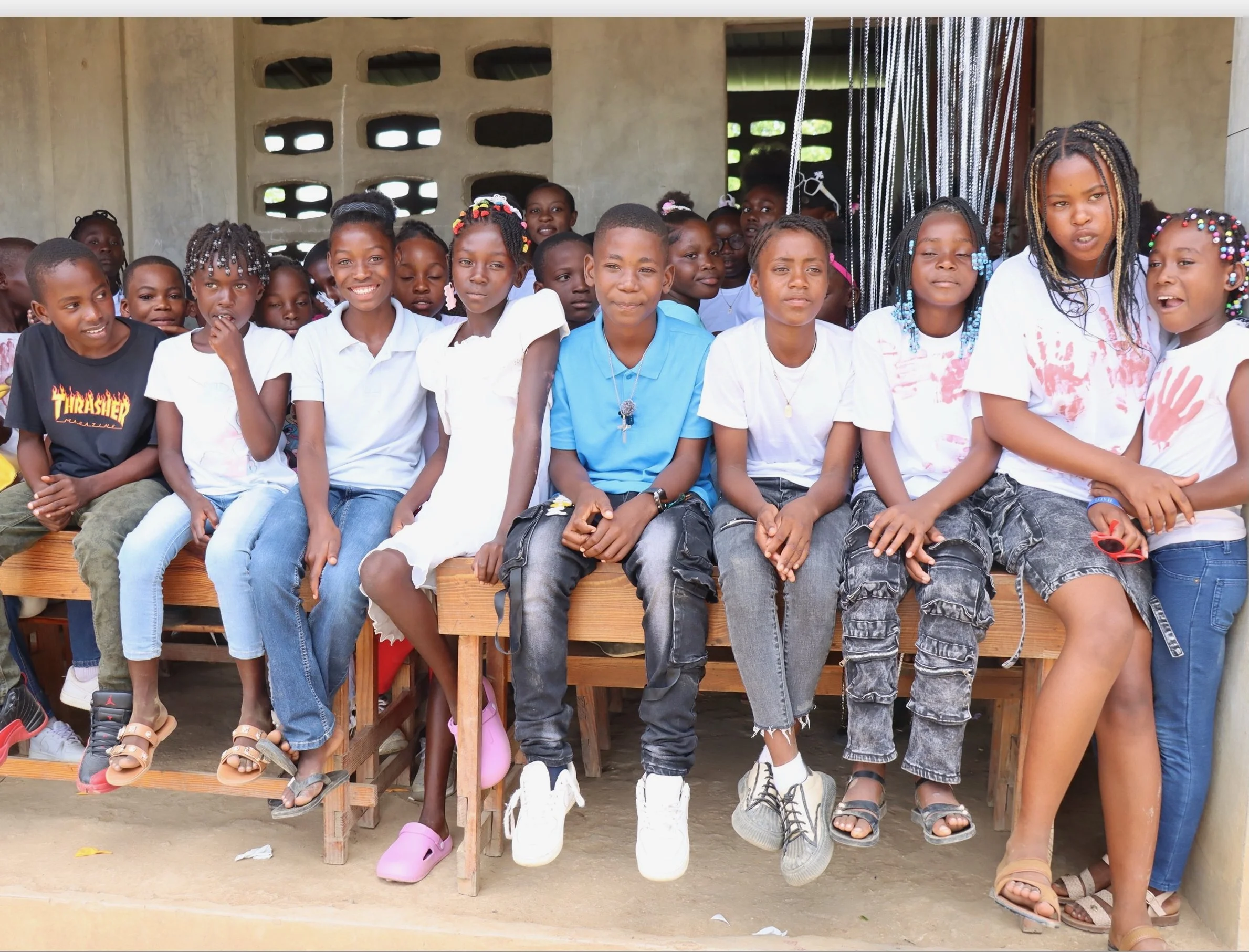
"Students at Haiti EcoVillage School engage in learning, embodying the vision of education as a tool for justice and community transformation."

"Education is the great engine of personal development. It is through education that the daughter of a peasant can become a doctor, that the son of a mineworker can become the head of the mine, that the child of a farmworker can become the president of a great nation."…Nelson Mandela

In 1961, a 14-year-old Haitian farm boy spoke out against injustice - a decision that would shape the course of his life and eventually impact thousands of families in his country.

His name was Chavannes Jean-Baptiste.

When his uncle’s cow disappeared and later reappeared carrying a different brand, Chavannes realized what had happened. The local official who was supposed to enforce justice had taken the cow for himself. Everyone around Chavannes urged silence. Speaking up could bring consequences. But Chavannes could not ignore what he knew was wrong.

The next morning, he got up long before dawn and walked 2 hours to an army post in Hinche to file a complaint. After waiting several hours, an officer finally listened to his complaint and agreed to investigate. After a long day of waiting and persistence, authorities investigated and recovered the cow.

When he returned home, his father gave him advice he never forgot:

“It took courage to do what you did because you believed in justice… The people of Haiti deserve justice, especially the poor people. Work for justice, my son.”

That lesson became the foundation of a lifetime.

Chavannes, who was the first in his family to receive an education, became an agronomist and organized poor farmers to band together to get a fair price for their crop.  In 1973, he founded MPP (Mouvman Peyizan Papay), beginning with just a few groups of small farmers and growing into a movement with 60,000 members across Haiti today.

His vision was always larger than agriculture. He believed lasting change comes when communities have the tools to build their own future. Education is one of those tools.

It was Chavannes’ vision that led to the creation of the Haiti EcoVillage School.

Today, even in a country facing extraordinary challenges, students continue to come to school eager to learn. Teachers continue to teach. Families continue to believe in a better future for their children.

Your support helps make that possible.

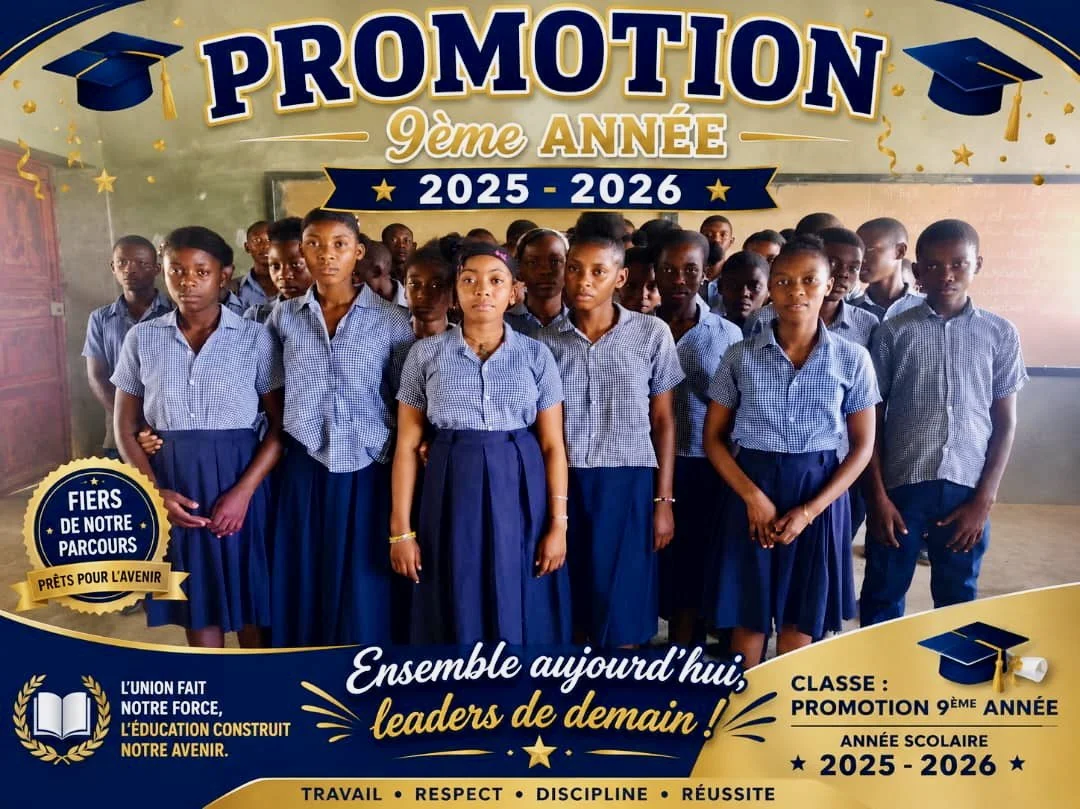
Today, every classroom is equipped, school supplies have been purchased, and every child is welcomed into a safe place to learn. The work that began in 1961, with Chavanne’s vision for justice, continues today. (In 2026, the EcoVillage School has 10 classrooms and serves 490 students.)  

Thank you for helping carry forward Chavannes’ vision—one rooted in dignity, opportunity, and hope.
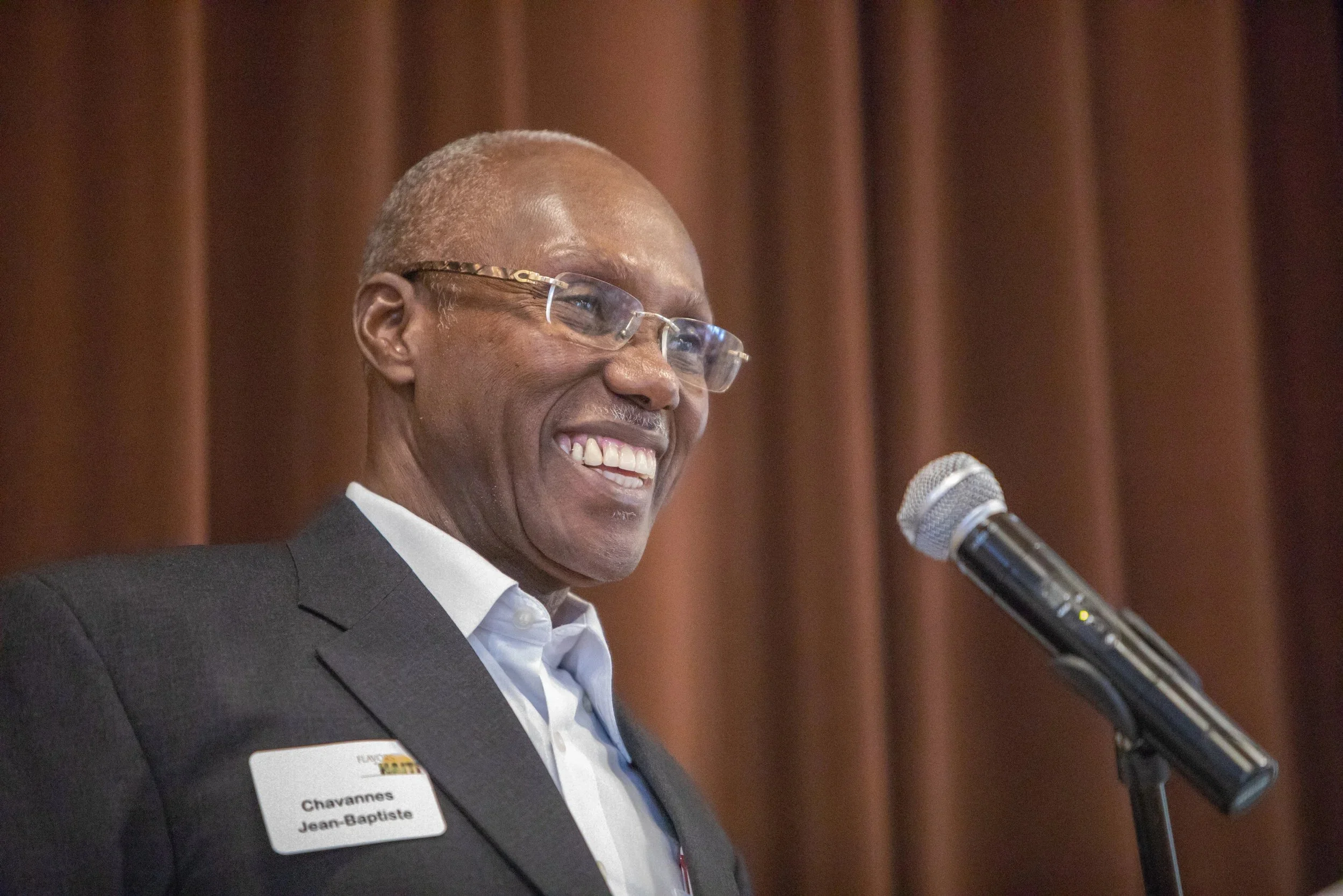
Chavannes Jean-Baptiste is the founder of MPP and the visionary behind the EcoVillage School.  He devoted his life toward seeking justice for his people. 

Water Problems at the Haiti EcoVillage School

Water problems at the Haiti EcoVillage School

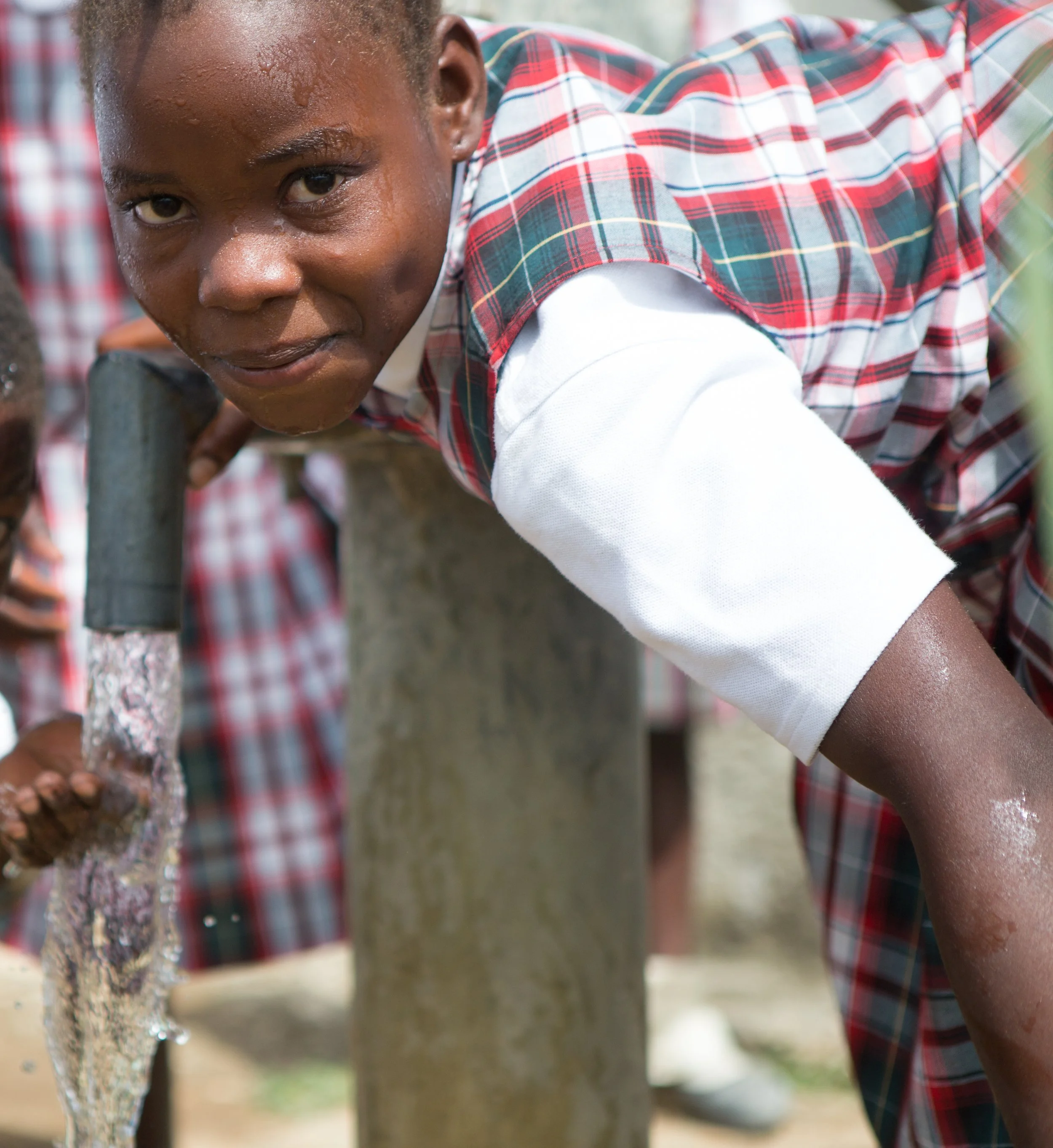
Students have enjoyed free, safe drinking water from the well that was drilled when the school was built in 2014. In the past few weeks, kids started getting sick. The water isn’t safe to drink any more. Principal Ramain began buying water in Hinche, 5 miles away. With over 500 children coming to class every day, a lot of water is needed. This means increased operating costs for the school.

We in Atlanta are collaborating with Principal Ramain and our partners at MPP to find a solution. We will be testing the water, studying the problem and searching for solutions. More updates will be provided when we have consulted with engineers in Atlanta and in Haiti and understand the options. In the meantime, the school is open, safe and bottled water is available.