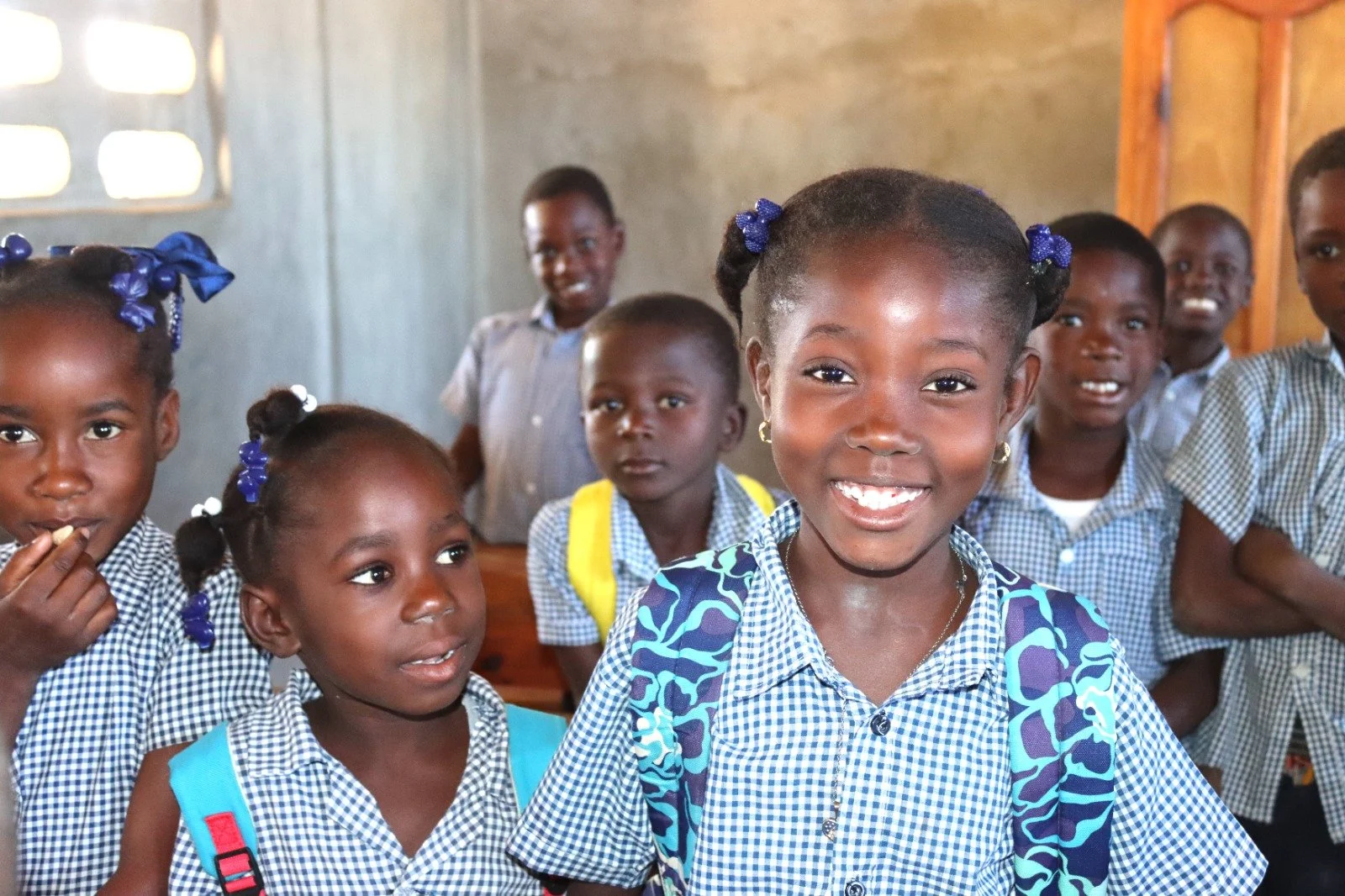
The Haiti Ecovillage School Seeks Justice by Educating the Children of Haiti
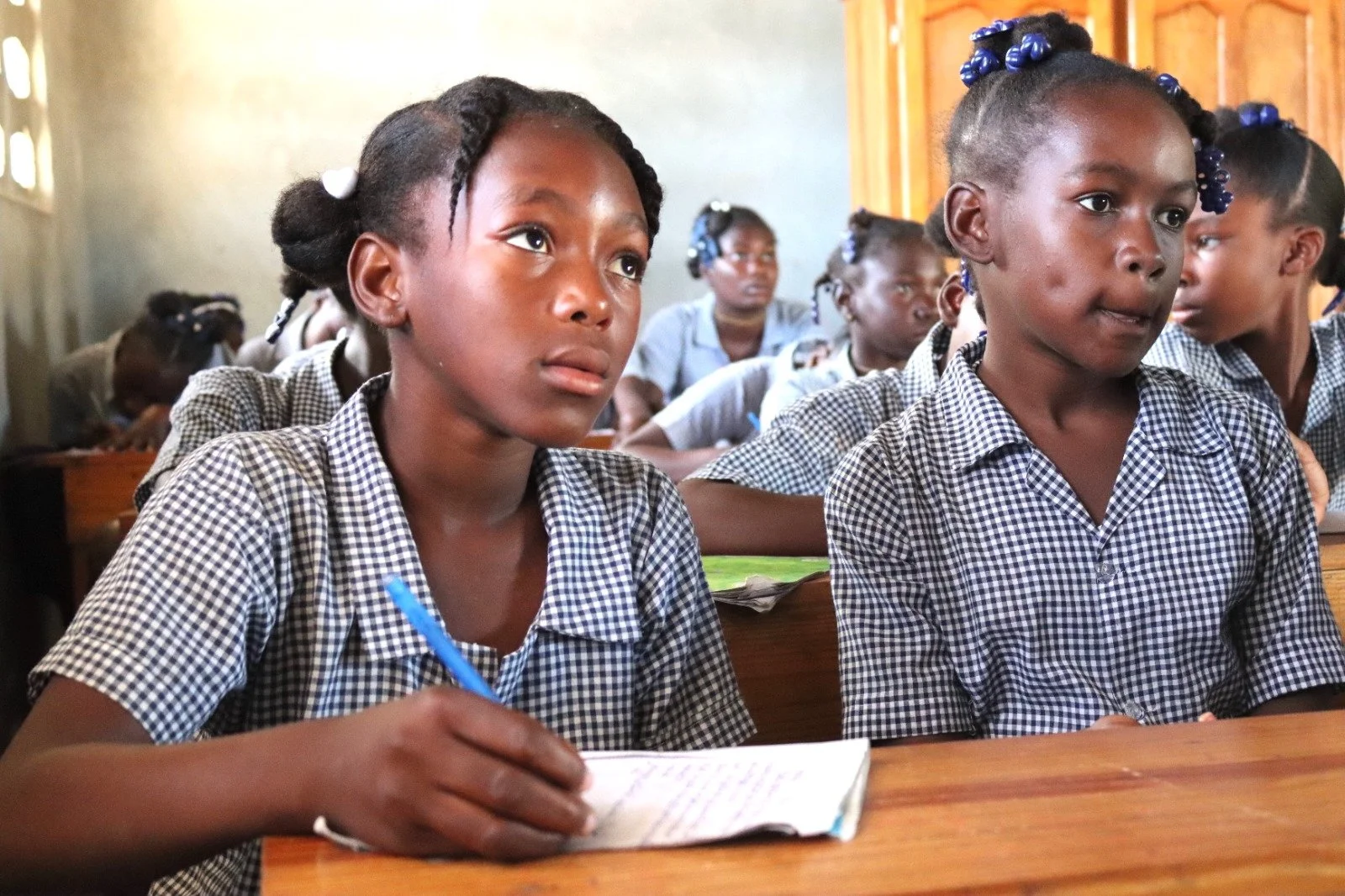
"Education is the great engine of personal development. It is through education that the daughter of a peasant can become a doctor, that the son of a mineworker can become the head of the mine, that the child of a farmworker can become the president of a great nation."…Nelson Mandela
In 1961, a 14-year-old Haitian farm boy spoke out against injustice - a decision that would shape the course of his life and eventually impact thousands of families in his country.
His name was Chavannes Jean-Baptiste.
When his uncle’s cow disappeared and later reappeared carrying a different brand, Chavannes realized what had happened. The local official who was supposed to enforce justice had taken the cow for himself. Everyone around Chavannes urged silence. Speaking up could bring consequences. But Chavannes could not ignore what he knew was wrong.
The next morning, he got up long before dawn and walked 2 hours to an army post in Hinche to file a complaint. After waiting several hours, an officer finally listened to his complaint and agreed to investigate. After a long day of waiting and persistence, authorities investigated and recovered the cow.
When he returned home, his father gave him advice he never forgot:
“It took courage to do what you did because you believed in justice… The people of Haiti deserve justice, especially the poor people. Work for justice, my son.”
That lesson became the foundation of a lifetime.
Chavannes, who was the first in his family to receive an education, became an agronomist and organized poor farmers to band together to get a fair price for their crop. In 1973, he founded MPP (Mouvman Peyizan Papay), beginning with just a few groups of small farmers and growing into a movement with 60,000 members across Haiti today.
His vision was always larger than agriculture. He believed lasting change comes when communities have the tools to build their own future. Education is one of those tools.
It was Chavannes’ vision that led to the creation of the Haiti EcoVillage School.
Today, even in a country facing extraordinary challenges, students continue to come to school eager to learn. Teachers continue to teach. Families continue to believe in a better future for their children.
Your support helps make that possible.
Today, every classroom is equipped, school supplies have been purchased, and every child is welcomed into a safe place to learn. The work that began in 1961, with Chavanne’s vision for justice, continues today. (In 2026, the EcoVillage School has 10 classrooms and serves 490 students.)
Thank you for helping carry forward Chavannes’ vision—one rooted in dignity, opportunity, and hope.
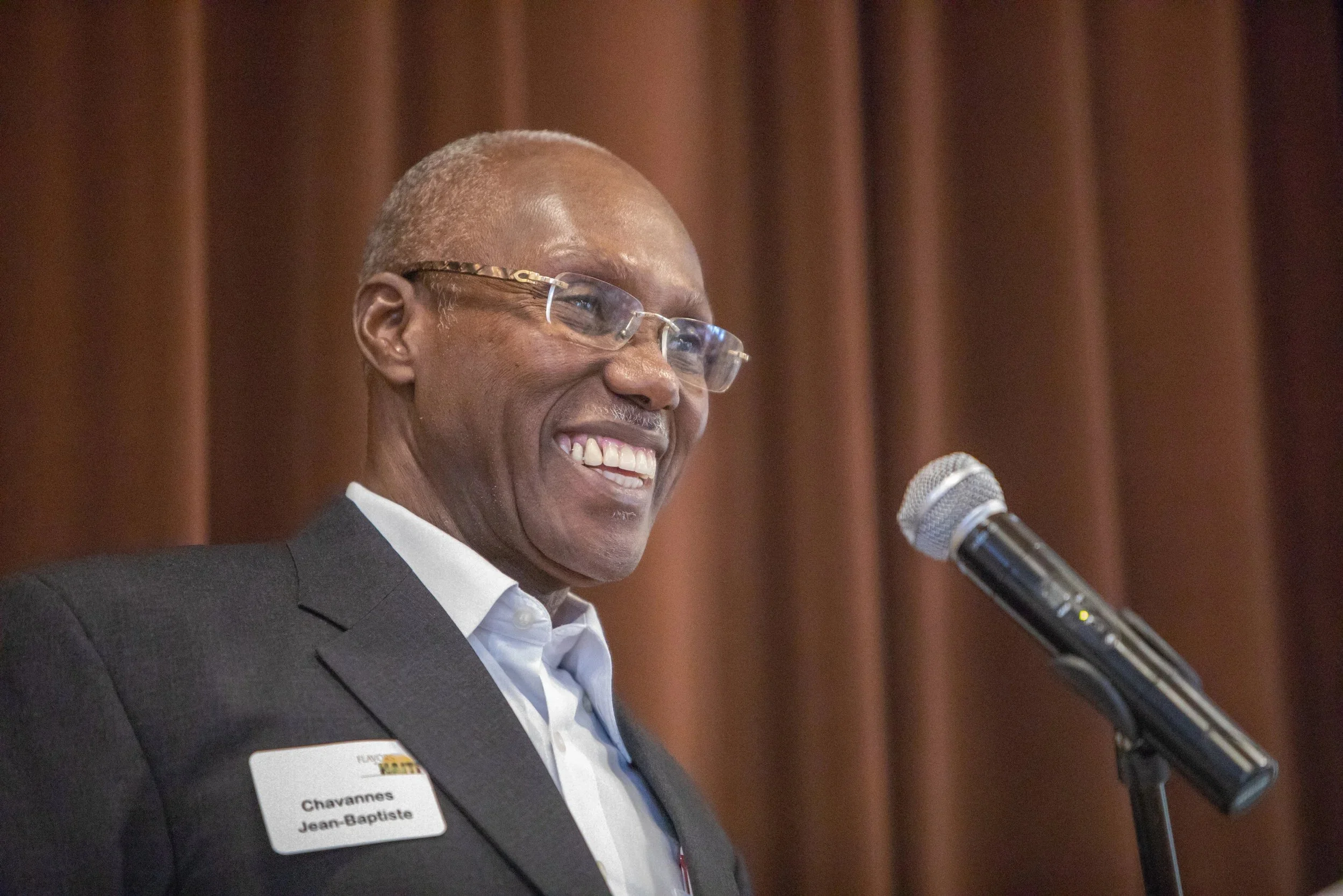
Chavannes Jean-Baptiste is the founder of MPP and the visionary behind the EcoVillage School. He devoted his life toward seeking justice for his people.
Water Problems at the Haiti EcoVillage School
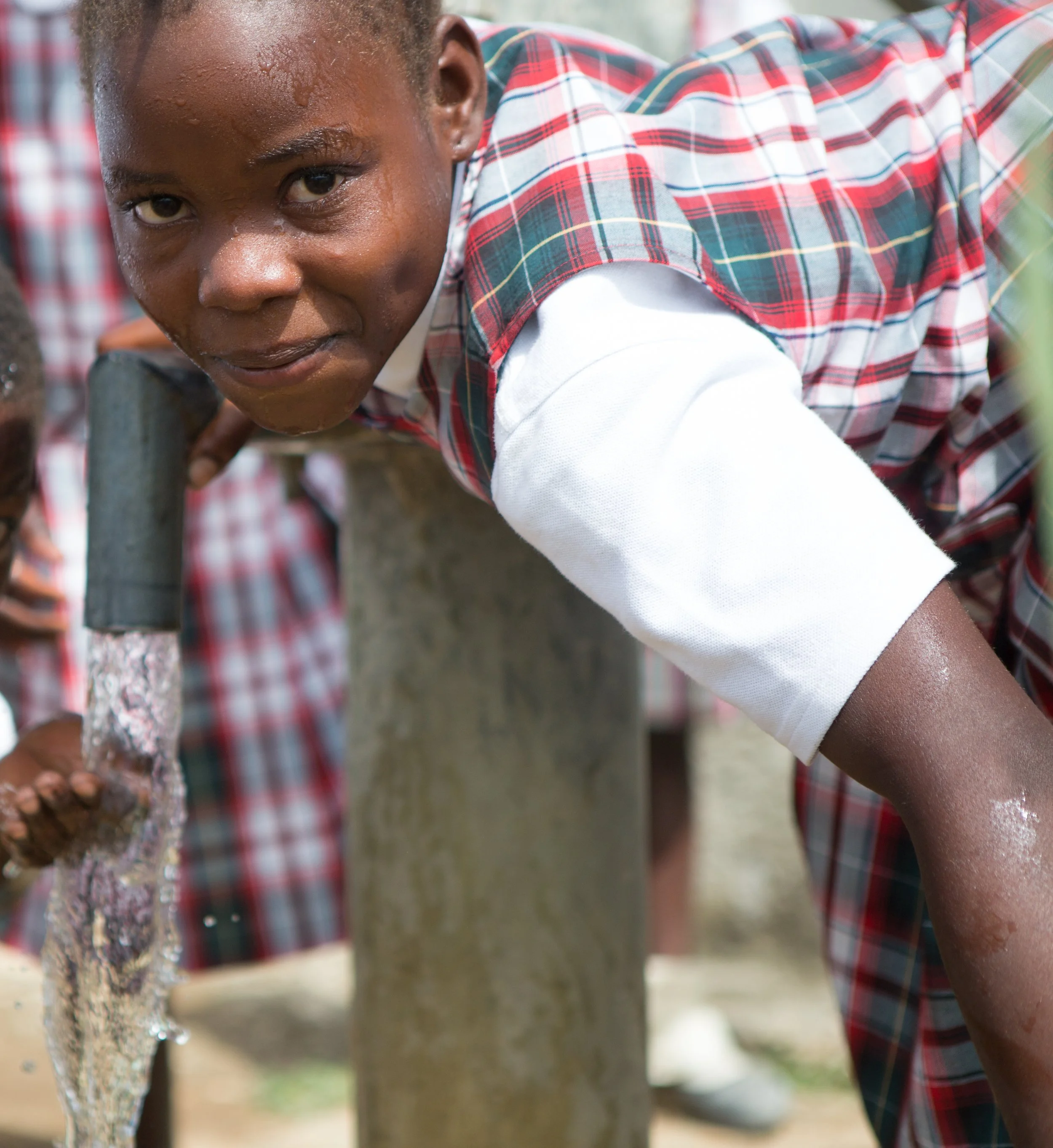
Students have enjoyed free, safe drinking water from the well that was drilled when the school was built in 2014. In the past few weeks, kids started getting sick. The water isn’t safe to drink any more. Principal Ramain began buying water in Hinche, 5 miles away. With over 500 children coming to class every day, a lot of water is needed. This means increased operating costs for the school.
We in Atlanta are collaborating with Principal Ramain and our partners at MPP to find a solution. We will be testing the water, studying the problem and searching for solutions. More updates will be provided when we have consulted with engineers in Atlanta and in Haiti and understand the options. In the meantime, the school is open, safe and bottled water is available.
Our Teachers are our Heroes
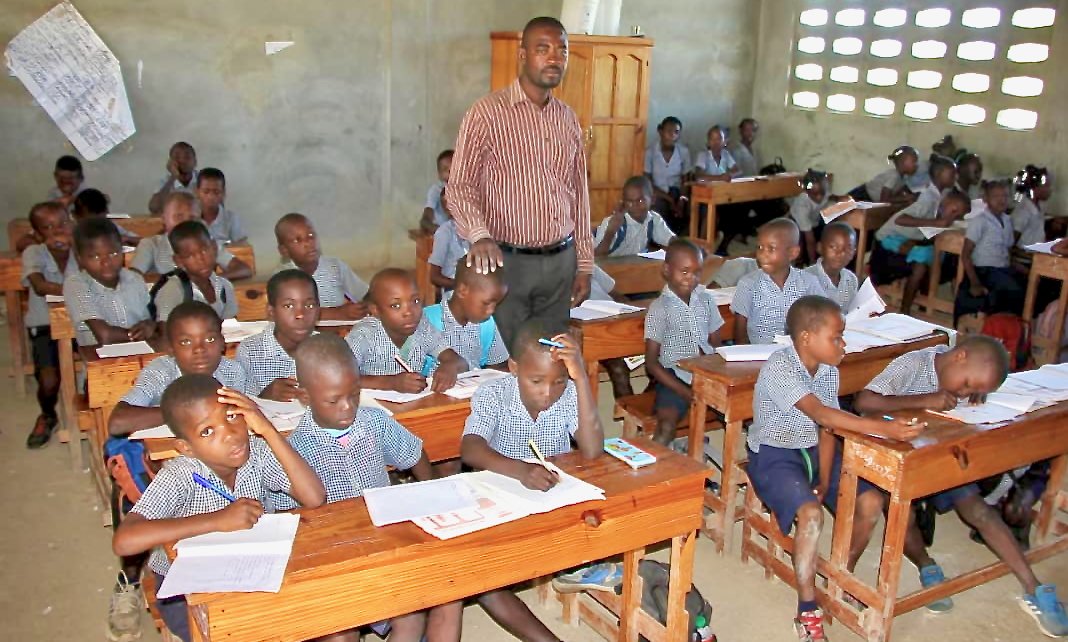
Teachers are the backbone of the EcoVillage school. They serve not only as educators but also as mentors and role models, shaping the future of the children they teach. All are experienced in the classroom, with most having several years teaching in the EcoVillage School. From year-to-year turnover is almost nonexistent. This is crucial since educational materials are in short supply while classrooms are bursting at the seams with the arrival of refugee children whose families have escaped the violence of the big cities. Chalk and blackboard are their chief teaching aids. These are challenging times to be a teacher at the school.
You would expect all of this to weigh on student performance. Not so. The students have continued to excel in their studies. Over 82% of last year’s students progressed to the next grade level. Results of the national gateway exams were outstanding, with a high percentage of our 9th graders passing, allowing them to advance to high school. This success is a direct result of our dedicated teachers, who are committed to maintaining high educational standards despite limited resources. These accomplishments have helped the EcoVillage School maintain its national accreditation, which is particularly significant in a country where most schools have been forced to close due to lack of funding and support.
Now for some irony. The Haitian government is virtually nonexistent -- no president, no legislature -- but the Ministry of Education continues its role by adding requirements to the curriculum. It has mandated the addition of three new subjects: technology, the arts and physical fitness. All good things. But the Ministry, which is required by the Haitian Constitution to pay educators like the ones at the EcoVillage School, offers not one cent. Mandates without financial support for strapped schools to meet them simply adds more stresses. Oh, well. At least it’s worth knowing that employees at the Ministry probably aren’t being paid, either.
In addition to these external factors adding pressure to teachers, inflation and the devaluation of the Haitian currency has eaten into the spending power of teachers’ pay. Plus, transportation is more difficult and fraught with the sketchy availability of gas and the spread of gang violence. Most EcoVillage teachers live at least 5 miles away. Because of these concerns, the Atlanta Partnership has committed to increasing the salaries of the teachers. It’s only fair. Teacher salaries have averaged $2000-2200…per year.
Since teacher salaries are the lion’s share of the school budget, even a modest increase puts additional pressure on our fundraising. This makes your support ever more critical. Your contributions are shaping a brighter future for the children of Haiti. Thank you.
Henri Survived. What's next?
“…Even if you want to escape, you have to go through thorny paths where you’ll get pricked. You can't escape with anything; if they see you escaping with something, they will kill you or pressure you. When you flee your home and if you want to return, you have to pay the gangs. The situation is really difficult; nothing can function…”
Henri Louvensky knows thorny paths. His life descended into chaos and violence as gangs took control of his once “normal” neighborhood in Port-au-Prince, Haiti. Henri and his family escaped. Their journey was a difficult one. With danger lurking around every corner, they left their home, their lives and the streets that had become war zones. They risked everything to find safety.
“…We left our home without taking anything. We have no money to live. It's our uncle who had some… If not for him, we…would just be sitting, not doing anything.”
Henri’s uncle took them in and enrolled Henry in the 9th grade at the Haiti EcoVillage School. They have found safety living in EcoVillage 3, but the challenges are far from over. “The insecurity really overwhelmed me. The sound of gunfire had a big impact on my ears..”
Henri’s story is a simple yet powerful call for peace and stability. He dreams of a future where children like him can live without fear, where families can stay together, and where schools can provide more than just safety—but also hope, learning, and opportunity.
The EcoVillage School provides a lifeline for children like Henri. Every dollar donated goes to the school: to keep the doors open, to pay the teachers, to buy books and supplies, and to offer these young minds a safe place to grow and learn.
Henri reminds us our support is critical. Join us in our mission to help Henri and others like him find a path forward amid the challenges they face daily. Your generosity makes a lasting impact.
Meeting Medical Needs at the Haiti EcoVillage School

Young children are active, curious and often susceptible to minor injuries or sudden illnesses. These health concerns are an unavoidable part of daily life, especially in a school setting. Being able to respond quickly and effectively is vital.
The Haiti EcoVillage School is in a rural area and access to medical care is quite limited or delayed. Children often skin a knee or become ill during the day. Without any medical supplies available, the school principal would need to take students to the hospital in Hinche. Director Ramain recognized a well-stocked medical kit on site would allow the school to address these issues promptly, providing comfort and immediate care to students, addressing both their physical and emotional well-being.
Ramain requested contents of the kit to reflect the diverse needs of the school community. Items like bandages, antiseptics, and pain relief medications are essential for treating everyday cuts, bruises, and minor illnesses. Meanwhile, supplies like sanitary napkins and diapers ensure that all students, regardless of age or gender, can maintain their dignity and comfort throughout the school day.
There are no funds to purchase these medical supplies within the school budget. One of our supporters provided a designated gift so that Director Ramain can purchase these needed supplies. This gift is consistent with our core value to provide what the Haitian people need to help themselves.
By maintaining a comprehensive medical kit, Haiti EcoVillage School shows a commitment to creating a safe and nurturing environment. In a place where external challenges can feel overwhelming, the ability to provide basic healthcare supplies is a small but powerful step toward building a stronger, more resilient community.
Haiti EcoVillage School, Fall 2024

The Haiti EcoVillage School stands as a beacon of hope in a country where daily life is defined by uncertainty and hardship. While much of the country struggles with violence, hunger, and the absence of effective governance, the school provides a sanctuary of safety, learning, and community.
Attendance has surged, and the quality of education remains high. Our committed teachers continue to show up every day because they know their work is vital for the future of Haiti. In spite of the collapse of the government, the school’s resilience is evident.
The Haiti EcoVillage School Partnership is dedicated to raising the funds necessary to keep this beacon shining. Without our support, the school would simply cease to operate. 400+ children would be left without education, safety, or a daily meal — the only solid meal for many students.
Eleven years ago, when this partnership was founded, we envisioned a self-sustaining school, eventually funded by the Haitian government. However, the reality in Haiti has changed, requiring a renewed commitment from us. We choose to continue our mission, embracing the values of faith, courage, resilience, and commitment.
Social events, fundraising efforts, and steadfast support from local churches and donors continue to ensure that the Haiti EcoVillage School remains a thriving oasis of learning and stability in a sea of chaos.
In a place where a human dignity is challenged every day, we provide the resources to keep this essential institution going. Our students, teachers and families deserve nothing less.
Thank you for helping us keep hope alive.
Resilience in Fearful Times

How do you cope when your circumstances become overwhelming? How do the children and families in the EcoVillages find courage to continue? It’s hard for us to comprehend how they are dealing with the forces against them as Haiti struggles with political, economic, and environmental realities that seriously challenge every aspect of daily life.
For the EcoVillage community, political instability means living in uncertainty and fear. While our school provides a sense of safety and continuity for the children, the broader environment remains oppressive. Government support for essential services, such as police, education and healthcare are either underfunded or unavailable.
Inflation is soaring, and the value of the national currency has been steadily declining. These economic difficulties result in high prices for basic needs, including food, fuel, and school supplies.
Many families in the EcoVillages struggle to afford daily necessities. Despite these hardships, the EcoVillage School has continued to operate thanks to the unwavering commitment of our teachers, partners, and supporters. The community faces the challenge of sustaining these efforts amidst ongoing economic difficulties.
Deforestation, soil erosion, and water scarcity are rampant due to unsustainable farming practices, natural disasters, and lack of environmental regulations. A recent report highlighted how climate change and environmental damage continue to threaten the country's fragile ecosystem, making it harder for communities to thrive.
In the EcoVillages, water scarcity impacts both daily living and agricultural activities, which the families depend on for their livelihood. Unpredictable weather patterns, such as droughts and heavy rains, also threaten crops, further straining the community's food security and the ability of the people to earn income.
UNICEF reports over 900 schools have closed with more than 150,000 students being displaced. Families are fleeing the violence in search of safety and hope.
Our EcoVillage School and community remain determined and resilient. The people have adapted to harsh realities with incredible courage. The school itself is a beacon of hope, offering stability, education, and a sense of normalcy for the children. Our school continues to accept children who have escaped the violence—our benches are overflowing. With the support of donors, partners, and organizations like MPP, the community continues to find ways to support its members, nurture its children, and look towards a brighter future. Their resilience inspires us.
"Education is the Best!"
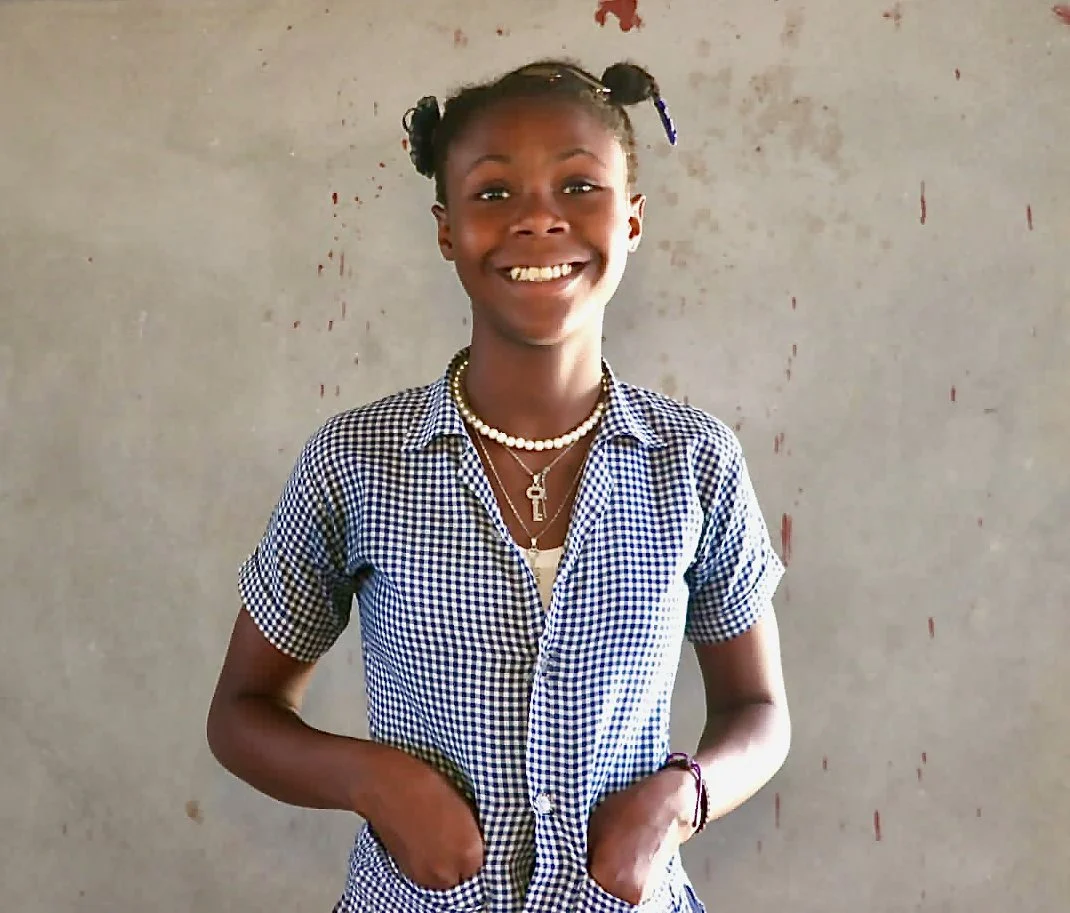
I am Rosegaële Alfred and I am a 7th grade student at the Haiti EcoVillage School. I am 14 years old and I live with my mother, Eliane Estenat and my 2 brothers and 4 sisters. We live in the small village of Beganabe so I walk about 10 minutes to get to my school in the EcoVillages.
Education is The Best! It is the key to changing the lives of little children like me from poverty to a better life. My mother is a sales woman by trade but in Haïti right now this is very challenging because of the violence and insecurity in our country. My father is a policeman. Unfortunately, the police in Haïti are in grave danger from gangs that control parts of the country. And, my father finds it difficult to make enough money to meet the needs of his family. Even though my parents work very hard, there is often not enough for our family because life is so hard.
I take my studies at school very seriously because I hope to bring change to the life of my parents and my family and myself. My teachers tell me I am very intelligent. I work hard (like my parents) because I understand my parents fight for me to have a better tomorrow.
I am very grateful to the Haiti EcoVillage School Partnership for helping the school. Ke Bondye beni gwoup la ak fanmi yo! (May God bless the group and all their families.)
Students Succeed at the EcoVillage School
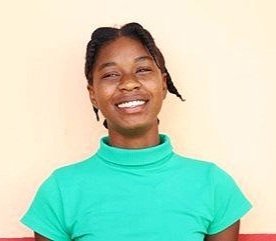
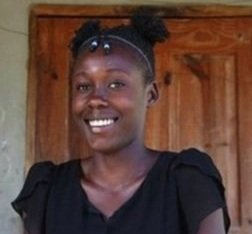
Jessica Estin (left) and Shmiderlie Étienne (right) are two of our 9th graders who passed the National Proficiency Exam this year. Seventeen 9th graders took the exam; 14 received scores necessary to graduate from the fundamental school and continue to the next level of education in Haiti. Their successes demonstrate1` the quality of education at the Ecovillage School.
Jessica was the top scorer on the exam. She is the oldest child in her family and she lives in Ecovillage 1. In an interview this summer, Jessica said that she performed very well on all of the exam but the physical science was a little bit difficult for her. Jessica wishes to attend high school at St. Louis Joseph Janvier College in the city of Hinche. Jessica is grateful to the Atlanta Partnership for how they support the school. She acknowledged how the Partnership: has provided students with school materials to allow them to work better; has paid teachers, and has helped the most vulnerable by providing uniforms and shoes so they could attend. She says, “May God continue to protect your life, your family and always put money in your hand to continue supporting the school”.
Shmiderlie is another student who passed the official exams from the school. She lives in the nearby town of Beganabe with her mother, Eveline and her father, Kenson. Shmiderlie plans to continue her studies at Lycee Dumarsais Estimé (a college prep high school) in Hinche. Shmiderlie gives the Atlanta Group a big thank you for supporting the school and the students, and she says, “may the almighty God always bless them and their entire family”.
With the political and economic turmoil in Haiti at this time, the progress of these students in their education is only possible because of the financial support of the Haiti Ecovillage School Partnership.
MPP in the News!
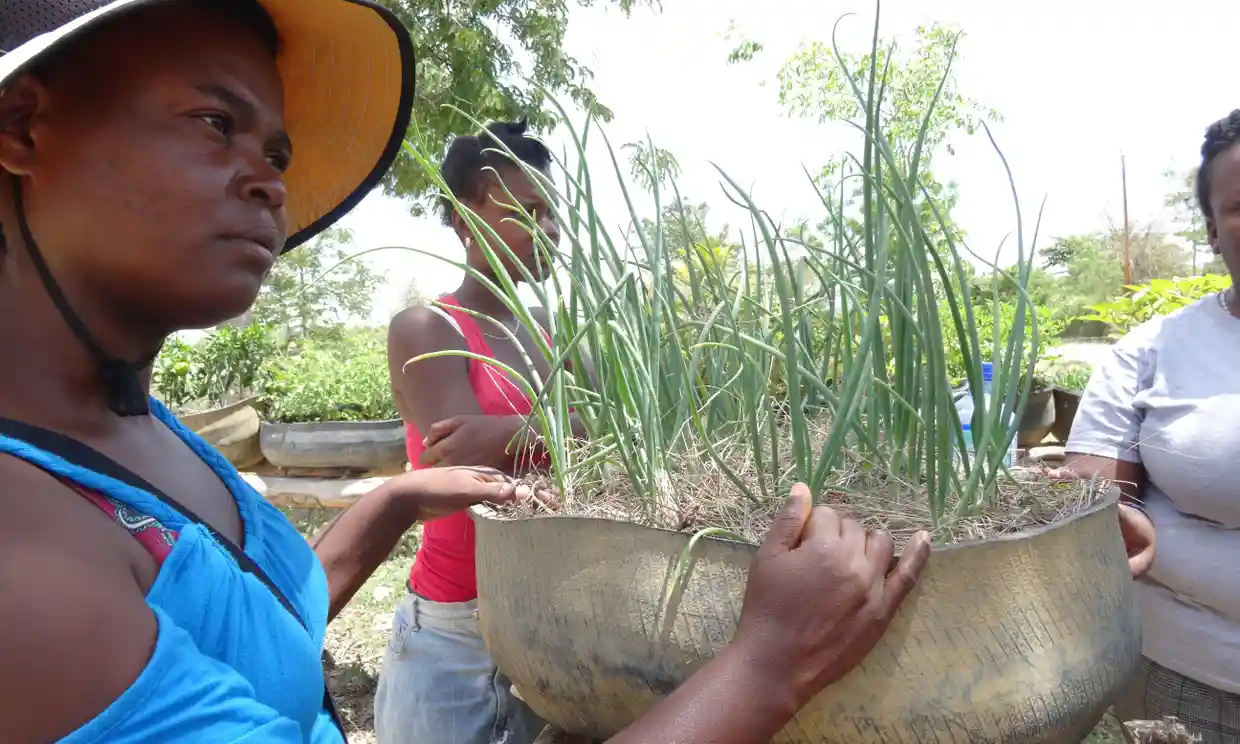
Chavannes Jean-Baptiste, founder of MPP and our partner in the Haiti EcoVillage School, works for food sovereignty for all people.
https://www.theguardian.com/society/2022/jan/08/local-is-better-battered-haiti-looks-to-empower-peasants-to-fight-climate-crisis
Beatrice in 2021

Her name is Béatrice Brunet, she has lived with her Aunt since the death of her mother in the earthquake on January 12, 2010. She lives in village #4 and just completed the 9th grade at the Ecovillage school. She described to us how she worked during the school year to prepare for the state exam: “We started the school year well even though I went a little late due to economic difficulties. My aunt struggles because she already has 3 other children under her responsibilities. We have teachers who come to work regularly every day and we have lessons that end around 2 p.m. Sometimes it is difficult for us because we are often very hungry. There was hardly any food this year but we stayed to take all of our classes. ”
When asked what she is going to do during these Holidays or what she would like to do she replied: “I have no plans for the summer, I do not know what my Aunt will give me as responsibility. But if I had the possibility of going in training camps for young people, I could take advantage to recreate myself and also learn. I would like to learn to sew, learn to use computers ... "
We asked her "If you pass the grade 9 exams, which school would you like to go to continue with your classical studies?" “I don’t know. College tempts me but I certainly won't be able to afford college. I will probably go to high school in Colladere or Hinche.”
When we asked what she would like us to do to improve in school, she replied "I hope we can paint the school, build a computer room like I saw in a school in Hinche."
Thank you very much for your support and your prayers. The school was able to continue all of these programs despite this difficult year. It is because nothing can stop our God! Thank you for continuing to support my country through education.
- article contributed by Carlos Sinfinice (6/27/2021)
Though the mountains may be removed and the hills may be shaken, My loving devotion will not depart from you, and My covenant of peace will not be broken," says the LORD, who has compassion on you. Isaiah 54:10